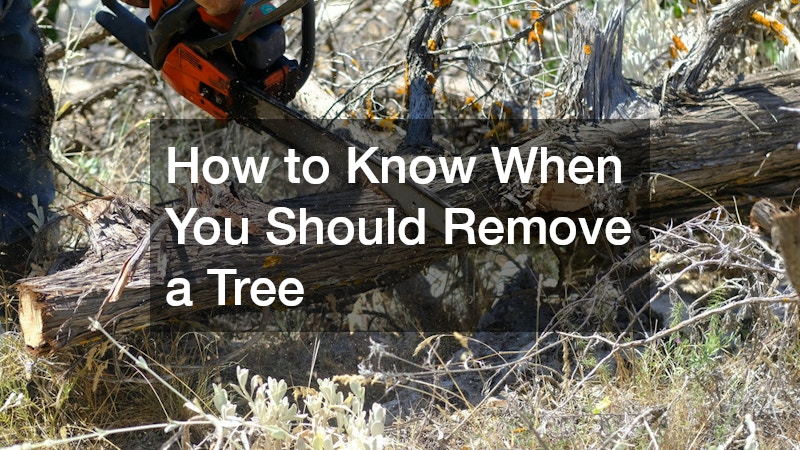
Trees are vital to our environment, providing shade, improving air quality, and enhancing the beauty of our landscapes. However, not every tree remains healthy or safe over time. Tree maintenance is essential to preserve the health of your yard, prevent damage to property, and ensure personal safety. In some cases, the best course of action may be to hire a professional tree removal service to safely remove a tree that poses risks. Understanding when and why a tree should be removed can help homeowners make informed decisions and protect their property.
How Do You Assess if a Tree Is Unhealthy or Dying?
One of the first steps in evaluating a tree is to observe its physical condition. Trees that shed leaves excessively outside of normal seasonal patterns may be struggling. Sparse or discolored leaves can be a clear warning sign. Peeling bark, deep cracks, or fungal growth on the trunk can indicate disease or structural weakness. Additionally, branches that break easily or fail to produce buds often signal internal decay. If several of these signs are present, it is advisable to consult a professional tree removal service to determine whether removal is necessary.
Tree diseases can also compromise both health and safety. Dutch Elm Disease, for example, causes leaf wilting, branch dieback, and eventual death in affected elm trees. Oak Wilt leads to darkened leaves, premature leaf drop, and vascular decay. Root rot, often caused by overly wet or compacted soil, can weaken a tree’s foundation. Recognizing these symptoms early can prevent further damage to your property and surrounding trees. Certified arborists or tree removal professionals can identify diseases and recommend appropriate actions.
Beyond visible symptoms, assessing a tree’s structural integrity is critical. Leaning trunks, particularly those near structures or roads, may indicate instability. Cracks at the base or along large branches and cavities or hollow sections within the trunk are all red flags. Trees with compromised structure pose risks of falling, especially during storms or high winds, making a professional tree removal service the safest way to mitigate danger.
What Environmental Factors Necessitate Tree Removal?
Severe weather events, such as storms, heavy snowfall, or hurricanes, can weaken trees over time. Broken branches, trunk splits, or root destabilization from wind and water erosion may necessitate removal. Trees in regions prone to extreme weather should be monitored regularly for signs of structural instability.
Healthy soil is essential for strong root systems, and changes in soil conditions, such as erosion, compaction, or nutrient depletion, can stress trees and make them more susceptible to disease. Nearby construction or landscaping changes may damage roots or alter water drainage, increasing the likelihood that a tree may need to be removed.
Trees located too close to homes, driveways, sidewalks, or utility lines present additional risks. Overgrown roots can damage foundations, plumbing, and underground cables, while limbs near roofs or power lines pose hazards during storms. In these scenarios, removal may be the safest option to prevent property damage and ensure safety.
What Are the Legal and Community Considerations for Tree Removal?
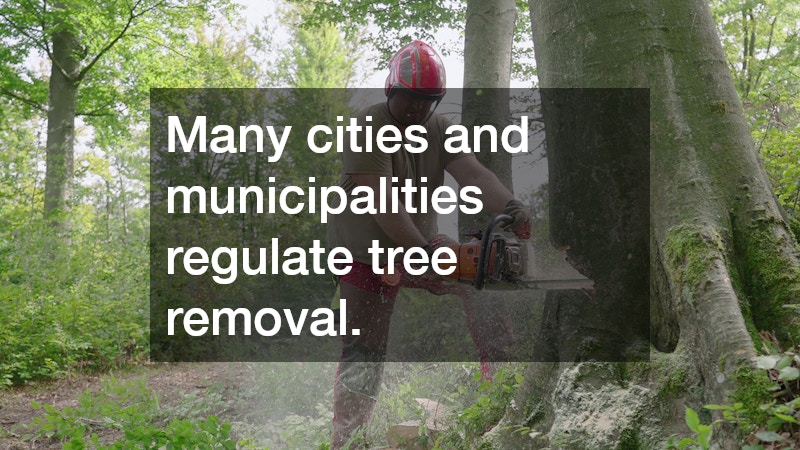
Many cities and municipalities regulate tree removal. Some trees, particularly mature or protected species, may require permits before removal. Consulting local authorities ensures compliance with regulations and prevents legal complications. A licensed tree removal service often helps navigate these rules and obtain the necessary permits.
Tree removal can also affect neighbors and the broader community. Removing a tree that borders shared property or provides shade to multiple homes may require discussion with neighbors to avoid disputes. Transparent communication and planning are key to minimizing conflicts.
Even when removal is necessary, sustainable practices should be considered. Replanting new trees, using recycled wood, or mulching debris can reduce environmental impact. Professionals can advise on species selection and proper planting techniques to maintain ecological balance.
Knowing when to remove a tree requires careful evaluation of its health, structural stability, and environmental factors. Signs like foliage loss, disease, and structural weakness indicate that removal may be necessary, especially when a tree poses risks to property or safety. External factors such as soil conditions, extreme weather, and proximity to structures can further influence the decision. Legal and community considerations must also be addressed to ensure responsible and compliant tree removal.
When in doubt, consulting a professional tree removal service provides expertise, ensures safety, and helps homeowners make informed, sustainable decisions. Prioritizing regular tree inspections and acting promptly when problems arise can protect both your property and the surrounding environment while maintaining a safe and aesthetically pleasing landscape.