
Maintaining a perfectly balanced indoor environment often feels like chasing a moving target. Many homeowners assume that achieving true thermal comfort is simply a matter of upgrading a thermostat or turning up the fan speed on a central cooling unit. In reality, your home functions as an interconnected ecosystem where every wall, floor, pipe, and wire plays a distinct role in how temperature and humidity behave. When one component fails or underperforms, it creates a domino effect that forces your heating and cooling equipment to run continuously, driving up utility bills while leaving you with drafty corners, stagnant air, and humid basements.
To gain absolute control over your living space, you must look beyond the thermostat and evaluate the structural envelope, air distribution pathways, and underlying mechanical infrastructure of your property. By treating climate control as a holistic, multi-layered strategy, you can proactively address the root causes of thermal loss and inefficient airflow. The following deep dive outlines targeted, high-impact upgrades across six critical areas of the home, offering practical strategies to stabilize ambient temperatures, optimize energy consumption, and establish a truly resilient indoor climate all year round.
Deflecting Solar Heat Gain Through Advanced Wall Systems
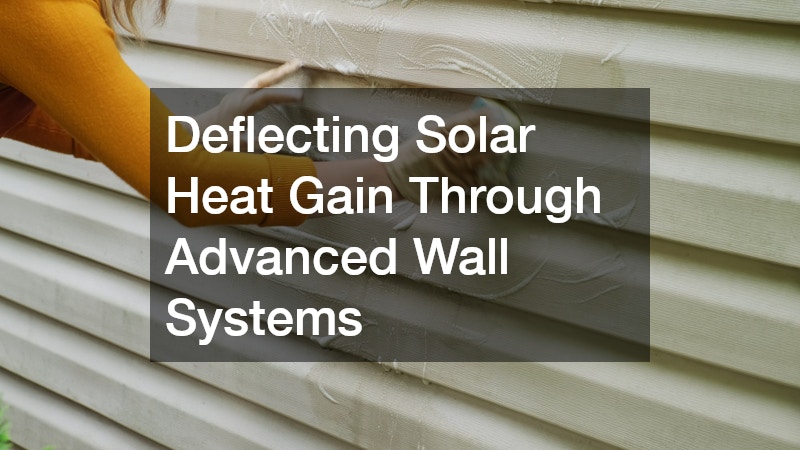
Exterior walls represent massive surface areas that are continuously exposed to solar radiation in the summer and biting winds in the winter. Over time, traditional building materials can degrade, allowing outside air to bypass your interior insulation through a phenomenon known as thermal bridging. When heat transfers directly through the studs and framing of your home, it creates localized hot and cold spots along your drywall.
To counteract this energy drain, focus on upgrades that add an unbroken layer of insulation to the outside of the framing. Modern exterior cladding systems utilize integrated foam backings that wrap the house in a continuous thermal blanket. When planning these exterior renovations, it is highly beneficial to partner with a qualified siding contractor who understands how to properly install moisture barriers and flashing alongside insulated panels. This ensures that the building envelope remains completely airtight while still allowing the structure to breathe, preventing hidden moisture accumulation.
- Look for fiber cement or premium composite materials that offer built-in radiant barriers to bounce sunlight away from the home.
- Inspect existing exterior joints annually, paying close attention to caulking around window frames where minor gaps cause significant drafts.
Preventing Attic Heat Traps with High-Reflectivity Barriers
During mid-summer, a standard dark roof can absorb enough solar radiation to reach temperatures exceeding 150 degrees Fahrenheit. This immense thermal energy transfers directly into the attic space, turning it into a massive heat reservoir that radiates warmth downward through your ceilings, making upper-level bedrooms incredibly uncomfortable.
Remedying an overheated attic requires a dual approach: reflecting incoming solar energy and maximizing ventilation to exhaust trapped air. Installing high-reflectivity shingles or applying a specialized radiant barrier to the underside of the roof deck can reduce attic temperatures by dozens of degrees. For older properties with decaying roof structures or inadequate ventilation loops, hiring a reputable roofing contractor is essential to install modern ridge vents, soffit intakes, or solar-powered attic fans that keep air moving continuously.
- Verify that attic floor insulation meets or exceeds current regional R-value recommendations to prevent downward heat migration.
- Ensure that existing attic vents are never accidentally blocked by loose fiberglass or cellulose insulation during DIY top-offs.
Insulating Cold Subfloors for Ambient Warmth
Rooms situated over unheated spaces, such as crawlspaces, concrete slabs, or uninsulated garages, often suffer from persistently cold floors. Because human comfort is heavily influenced by the temperature of the surfaces we touch, cold flooring makes an entire room feel chilled, frequently prompting homeowners to turn up their heating systems unnecessarily.
To solve this problem from the ground up, focus on materials that offer high natural insulation properties. Thick wool carpeting, cork flooring, and specialized foam underlayment act as thermal breaks that slow down heat loss. When choosing these materials, visiting a well-stocked carpet store will allow you to compare the thermal performance ratings of various piles and weight densities, ensuring you select a combination that effectively traps rising heat within your living zones.
- Choose dense, closed-cell polyurethane or rubber underlayment cushions to maximize the thermal resistance beneath soft floor coverings.
- Focus carpet upgrades on north-facing rooms or ground-level spaces that receive minimal direct sunlight during winter months.
Utilizing Hard Surfaces for Efficient Radiant Systems
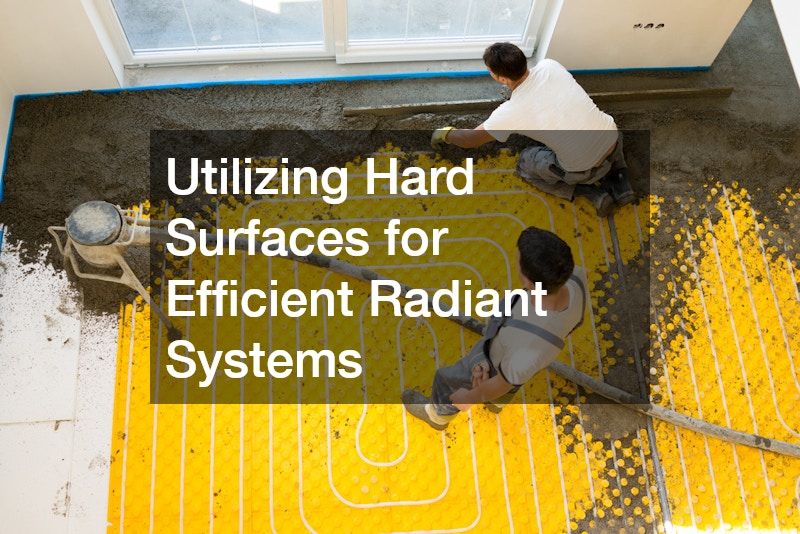
While soft textiles are perfect for trapping heat, hard surfaces excel at conducting and distributing it. If your home utilizes an underfloor radiant hydronic or electric heating loop, the materials placed over those lines must possess high thermal conductivity to let heat radiate seamlessly up into the room.
Materials like natural stone, porcelain tile, and specific types of engineered hardwood are ideal for these setups because they absorb heat efficiently and release it slowly over extended periods. Achieving this level of efficiency requires absolute precision during the layout phase; any tiny air pockets left between the subfloor, heating elements, and top layer will act as insulation, blocking the heat from rising. Investing in a professional floor installation guarantees that appropriate thin-set mortars and self-leveling compounds are used to eliminate gaps, allowing your radiant system to perform at its peak.
- Opt for porcelain or ceramic tiling in high-traffic zones with radiant floors, as these materials retain heat longer than vinyl or laminate options.
- Always check the manufacturer specifications for engineered wood to confirm its maximum temperature threshold before pairing it with radiant lines.
Eliminating Static Pressure and Airborne Friction
Over years of daily operation, the internal surfaces of your home’s ductwork collect a substantial layer of dust, pet hair, construction debris, and allergens. This accumulation does more than lower your indoor air quality; it physically restricts the volume of air that can pass through the vents, creating high static pressure within the HVAC system.
When static pressure rises, your system’s blower motor must spin significantly faster and use more electricity to push air through the narrow, dusty channels. This leads to weak airflow coming out of supply registers, resulting in uneven room temperatures. Scheduling a professional duct cleaning removes these physical restrictions, smoothing out the internal pathways so your system can distribute warm or cool air effortlessly to every room in the house.
- Change return air filters every thirty to ninety days to prevent new particulate matter from settling deep inside clean metal ducts.
- Keep furniture, long drapes, and thick area rugs clear of all supply and return grilles to maintain balanced air pressure across rooms.
Preventing Humidity Spikes From Standing Line Blockages
Indoor climate control is as much about managing relative humidity as it is about regulating temperature. High humidity levels make summer air feel incredibly sticky and suffocating, while excess winter moisture can lead to condensation on windows and structural dampness. A primary source of hidden, localized humidity spikes is slow-moving or blocked wastewater lines.
When main drains or localized pipes become sluggish, small amounts of water back up and sit beneath your floors or inside wall cavities. This standing water slowly evaporates into the surrounding air, significantly raising the humidity levels in basements, crawlspaces, and bathrooms. Utilizing a professional drain cleaning service clears out deep-seated grease, soap scum, and root intrusions, ensuring wastewater exits the property immediately without emitting ambient moisture into your home.
- Install mesh strainers over all sink and shower basins to catch hair and food waste before they form moisture-trapping clogs.
- Monitor your basement humidity with a digital hygrometer; any unexplained spike often points to a slow drain or a hidden plumbing leak.
Tuning Core Heating Units Before Seasonal Extremes

When winter arrives, your central heating system becomes the absolute lifeline of your home. Systems that are ignored year after year slowly lose their operational efficiency due to worn belts, uncalibrated burners, clogged fuel nozzles, or faulty electrical relays. This degradation often causes short-cycling, a flaw where the system turns on and off rapidly, wearing out components and leaving rooms improperly warmed.
Before the first freezing temperatures arrive, it is critical to conduct a thorough evaluation of your heating equipment. If you notice strange noises, weak airflow, or fluctuating heat output, reaching out for an expert furnace repair can prevent a minor component failure from turning into a total system replacement in the dead of winter. Professional technicians can clean burners, check heat exchangers for dangerous cracks, and calibrate fuel-to-air ratios for maximum thermal output.
- Test your digital thermostat’s calibration annually by placing a standalone thermometer next to it to verify accurate temperature readings.
- Listen closely for scraping, thumping, or rattling noises when your heating unit starts up, as these indicate loose or failing internal blowers.
Optimizing Ambient Heat Recovery From Water Systems
Water heaters are secondary but substantial contributors to your overall indoor climate environment. An old, unmaintained water heater coated with internal mineral scale requires vastly more energy to heat water, radiating an immense amount of wasted ambient heat directly into your utility closet, basement, or garage.
This localized overheating represents wasted money and can disrupt the temperature balance of adjacent rooms. Flushing the tank annually removes the sediment buildup that acts as an insulating barrier over the heating elements. If your water heater is struggling with broken dip tubes, failing heating elements, or faulty temperature valves, securing a timely water heater repair will restore systemic efficiency, cut down on standby energy losses, and stop unwanted heat from bleeding into surrounding living spaces.
- Wrap your water heater tank in a fitted, fire-rated insulating blanket to dramatically reduce standby thermal loss in cold basements.
- Set your water heater’s maximum temperature to 120 degrees Fahrenheit to save energy and protect family members from accidental scalding.
Upgrading Electrical Service for Modern Climate Tech
As homeowners transition to highly efficient climate solutions—such as multi-zone heat pumps, smart variable-speed air handlers, and electronic dampening systems—the demand on the home’s electrical system increases significantly. Older electrical panels, particularly those providing less than 200-amp service, are frequently inadequate for the voltage and amperage needs of advanced heating and cooling technology.
Attempting to run modern, high-efficiency HVAC equipment on an overloaded or outdated electrical framework can result in tripped breakers, flickering lights, and premature compressor failure due to voltage drops. Bringing in licensed electricians to evaluate your main panel, run dedicated circuits, or install smart sub-panels ensures your property can safely handle the electrical loads required by sophisticated zone-control systems and automated ventilation dampers.
- Label your main service panel clearly so you can quickly isolate climate control circuits during routine system maintenance or filter swaps.
- Consider installing a whole-home surge protector directly at the main panel to shield sensitive HVAC circuit boards from power grid spikes.
Sealing the Largest Thermal Leak in the House
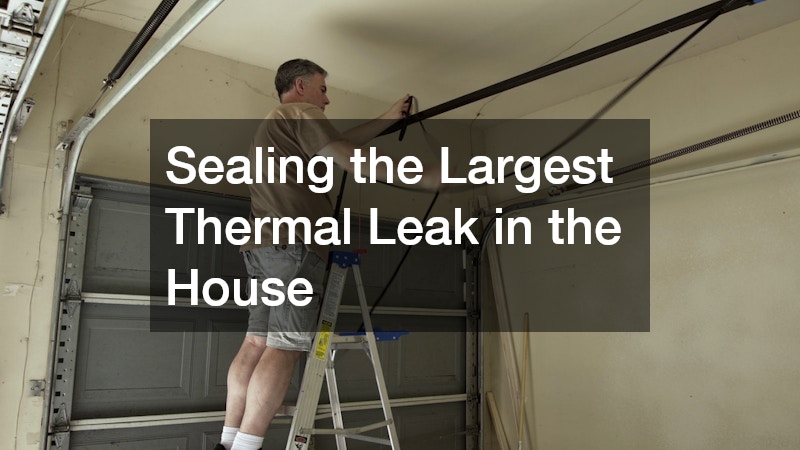
The garage represents one of the most prominent vulnerabilities in a home’s thermal defense. Because attached garages are rarely fully conditioned, they turn into buffering zones of extreme heat or freezing cold. If the barrier between your garage and your interior living space is weak, massive amounts of energy will continuously transfer through the shared walls and entry doors.
The single largest source of this thermal transfer is an uninsulated or poorly sealed overhead garage door. When cold winter winds or hot summer air penetrates a loose door, it sits directly against your kitchen or living room walls, chilling or heating those spaces from the outside in. Employing a comprehensive garage door service allows technicians to install heavy-duty perimeter weather seals, realign tracks to eliminate air gaps, or replace old sheet-metal doors with multi-layer, high-R-value insulated models that isolate the space from the elements.
- Check the bottom rubber gasket of your overhead door regularly to make sure it creates a completely flush, light-tight seal against the concrete floor.
- Keep the pass-through door leading from your attached garage into your home tightly closed and fitted with a commercial-grade threshold sweep.
Achieving a stable, comfortable, and energy-efficient indoor climate is a goal reached through deliberate, targeted property improvements. By viewing your home as a single unified system, it becomes clear that exterior finishes, subfloor choices, ventilation pathways, and mechanical components must all work in harmony. Addressing insulation gaps, restoring proper airflow, maintaining critical heating systems, and reinforcing structural weak points will stop you from wasting energy on constant thermostat adjustments. These investments do far more than lower your monthly utility expenses; they protect your structural framework, enhance daily living conditions, and provide a reliable sanctuary from the unpredictable outdoor elements for many years to come.