Most expensive home repairs do not begin with dramatic disasters. They usually start with something small: a faint water stain near a window, a driveway crack that widens through the winter, or a room that suddenly feels harder to cool. These issues are easy to ignore because they rarely seem urgent at first. Yet small maintenance problems tend to grow quietly until homeowners are forced into emergency repairs that cost far more than preventative upgrades ever would have.
The following strategies focus on areas of the home that commonly develop hidden problems over time. By improving these spaces before damage spreads, homeowners can save money and avoid the stress that comes with unexpected repairs.
Preventing Roof Damage Before It Reaches the Interior
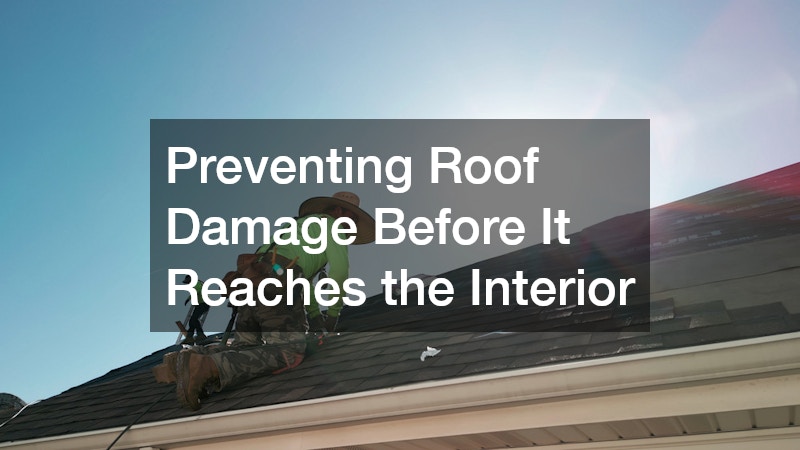
A roof problem rarely announces itself immediately. In many homes, damage begins quietly after a storm loosens shingles or moisture slips beneath flashing around vents and chimneys. Months later, homeowners notice discoloration on a ceiling or warped drywall in the attic and suddenly realize the issue has been developing for far longer than expected.
One of the simplest ways to reduce the risk of serious roofing problems is to perform visual inspections throughout the year, especially after severe weather. You do not need to climb onto the roof to spot warning signs. Standing in the yard with binoculars is often enough to identify missing shingles, sagging areas, or debris buildup near valleys and gutters.
Inside the home, the attic can reveal problems early. A damp smell, dark patches on wood framing, or visible sunlight entering through roof boards all suggest moisture intrusion. Addressing these small concerns promptly can prevent insulation damage, mold growth, and rotting structural materials.
Ventilation also plays a larger role in roof longevity than many homeowners realize. Inadequate airflow traps heat and humidity in the attic, which gradually weakens roofing materials from underneath. During summer, excessive attic heat can shorten shingle lifespan. In colder months, trapped moisture may contribute to condensation and wood deterioration.
Simple upgrades that improve ventilation include:
- Installing ridge vents
- Adding attic insulation evenly
- Replacing blocked soffit vents
- Sealing air leaks between living spaces and the attic
Eventually, patchwork repairs stop being cost-effective. Curled shingles, repeated leaks, and widespread granule loss may indicate the need for a larger roof install rather than repeated temporary fixes. Waiting too long often increases costs because water damage spreads into insulation, drywall, and framing materials below the roofline.
A homeowner who addresses roofing concerns early usually spends far less than someone dealing with interior water damage months later.
Redirecting Water Away From Vulnerable Areas
Water is one of the most destructive forces affecting a house, particularly around the foundation. Even small drainage issues can gradually shift soil, weaken support structures, and create cracks that worsen over time.
Many homeowners focus on visible cosmetic problems while overlooking how water moves around the exterior of the property. Yet poor drainage frequently causes some of the most expensive structural repairs.
A good starting point is evaluating where rainwater flows during storms. Downspouts that release water directly beside the home allow moisture to collect around the foundation. Over time, this repeated saturation can contribute to settling, soil erosion, and basement moisture issues.
Simple upgrades that improve drainage include extending downspouts several feet away from the home, regrading sections of the yard, and cleaning gutters before heavy rain seasons begin.
Small cracks in basement walls or crawl spaces deserve attention as well. While hairline fractures are not always dangerous, widening cracks or uneven flooring may indicate movement underneath the structure. Moisture entering through these gaps often accelerates deterioration.
One homeowner might notice a sticking door in the hallway and assume humidity is to blame. Another may see a tiny basement crack and ignore it for years. In reality, these subtle changes sometimes point to shifting structural conditions that become increasingly expensive to correct.
Certain warning signs should never be postponed:
- Floors that slope noticeably
- Large stair-step cracks in brickwork
- Windows that suddenly stop closing properly
- Water pooling near the foundation after rain
- Persistent basement dampness
When these issues appear, consulting a foundation repair contractor can help determine whether the movement is cosmetic or structural. Early intervention often prevents larger stabilization projects later.
Protecting the foundation is less about dramatic upgrades and more about managing moisture consistently over time.
Improving Indoor Efficiency Without Overworking Equipment
Heating and cooling systems tend to fail at the worst possible moments: during extreme heat waves or freezing temperatures, when systems are already under maximum strain. In many cases, however, the equipment has been showing signs of stress for months.
A house with uneven airflow, blocked vents, or inadequate insulation forces HVAC systems to work harder than necessary. This not only increases energy bills but also shortens the lifespan of expensive equipment.
One of the easiest upgrades homeowners can make is replacing air filters consistently. Dirty filters restrict airflow, forcing systems to run longer cycles to maintain comfortable temperatures. Surprisingly, this simple task is often neglected for months at a time.
Beyond filters, homeowners should pay attention to rooms that feel noticeably hotter or colder than the rest of the house. Uneven temperatures may indicate insulation gaps, leaking ductwork, or obstructed vents.
Attics, crawl spaces, and attached garages commonly lose conditioned air. Improving insulation in these areas can stabilize indoor temperatures significantly while reducing energy consumption.
Another overlooked issue is furniture placement. Large couches or shelving units positioned directly over vents reduce circulation and strain the system over time.
Professional inspections can also catch problems before breakdowns occur. Experienced HVAC contractors often identify worn components, airflow restrictions, or refrigerant issues long before the homeowner notices performance changes.
Scheduling maintenance before summer or winter peak seasons allows systems to operate more efficiently during periods of heavy use. An HVAC company may also recommend smaller upgrades, such as programmable thermostats or duct sealing improvements, that reduce long-term wear on equipment.
Preventive attention matters because replacing a failed heating or cooling system is far more expensive than maintaining one properly.
Addressing Plumbing Problems Before They Escalate
Few household issues create panic faster than unexpected water inside the home. A burst pipe, leaking appliance line, or hidden plumbing failure can damage flooring, cabinets, drywall, and personal belongings within hours.
The challenge is that many plumbing issues develop slowly. Homeowners often adapt to subtle warning signs without realizing they indicate larger problems.
For example, a sink that drains slowly every week may suggest a buildup deeper in the pipes. Reduced water pressure could point toward hidden leaks or pipe corrosion. Small drips beneath sinks may appear harmless until moisture damages cabinetry and attracts mold growth.
Rather than waiting for emergencies, homeowners can reduce risks through regular observation.
A practical monthly routine might include:
- Checking under sinks for moisture
- Inspecting exposed pipes for corrosion
- Looking for ceiling stains beneath bathrooms
- Monitoring unusually high water bills
- Listening for running water sounds when fixtures are off
Leak detection devices have also become increasingly affordable and effective. These sensors can alert homeowners when moisture appears near water heaters, washing machines, or dishwashers before flooding spreads.
Certain plumbing concerns should never be delayed. Water near electrical systems, recurring drain backups, or signs of hidden mold typically require professional plumbing services immediately.
Older homes especially benefit from preventative upgrades because aging pipes are more vulnerable to leaks and corrosion. Replacing worn supply lines or upgrading shutoff valves may seem minor, but these small improvements often prevent thousands of dollars in restoration costs later.
Repairing Exterior Surfaces Before Deterioration Spreads
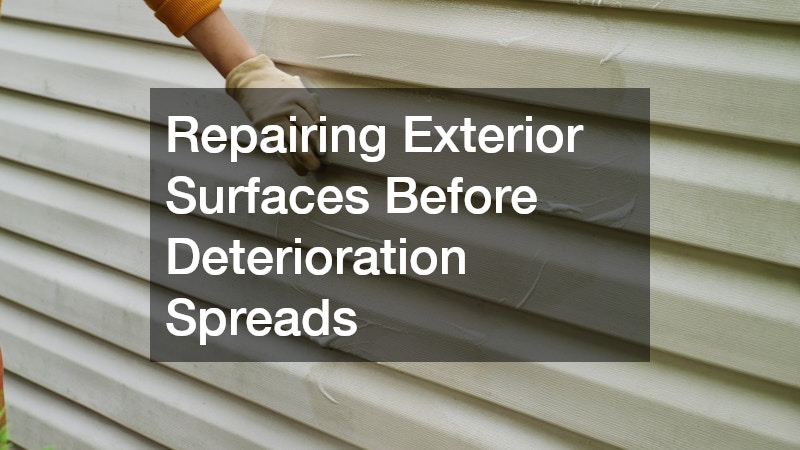
Driveways, patios, and walkways endure constant exposure to weather, moisture, and temperature fluctuations. Over time, even small surface cracks begin to expand, especially in climates with freeze-thaw cycles.
Many homeowners ignore these imperfections because they seem cosmetic. However, cracked surfaces frequently allow water to penetrate underneath, weakening the base materials and accelerating deterioration.
A narrow driveway crack can become a much larger problem after repeated freezing and expansion during winter. Once water reaches lower layers, sinking and crumbling often follow.
Early asphalt repair is usually straightforward and relatively inexpensive compared to replacing large sections of pavement later. Sealing cracks promptly helps prevent moisture intrusion and preserves structural stability.
Concrete surfaces present similar issues. Uneven sidewalks, sinking patios, or chipped garage floors may signal underlying drainage problems or soil movement.
In some cases, homeowners unintentionally worsen damage by directing sprinkler systems toward paved areas or allowing gutters to overflow nearby. Water management remains one of the biggest factors affecting outdoor surface lifespan.
Unlike roofing or plumbing issues, deteriorating pavement tends to worsen gradually enough that people adapt to it. A slightly uneven walkway becomes “normal” until someone trips or the damage spreads extensively.
Homeowners can reduce long-term concrete repairs by:
- Resealing surfaces periodically
- Redirecting water runoff
- Removing weeds from expansion joints
- Repairing cracks quickly
- Avoiding excessive weight on weakened areas
Small exterior upgrades rarely feel urgent, but they significantly extend the lifespan of outdoor surfaces.
Maintaining Chimney Structures Before Moisture Causes Damage
Chimneys often receive little attention unless visible damage appears. Yet because they are constantly exposed to wind, rain, and temperature changes, chimneys are especially vulnerable to gradual deterioration.
Brick mortar weakens over time, particularly in regions with freezing winters or heavy rainfall. Once moisture enters small masonry cracks, expansion during temperature changes can accelerate structural damage surprisingly quickly.
One homeowner may notice bits of mortar collecting near the fireplace, but dismisses it as ordinary aging. Another might spot white staining on exterior brickwork without realizing it signals moisture intrusion.
Regular inspections can help identify problems early. Common warning signs include:
- Cracked mortar joints
- Loose bricks
- Rusted chimney caps
- Water stains near fireplaces
- Musty odors after rainfall
Installing a chimney cap is one of the simplest preventative upgrades available. Caps help prevent rainwater, animals, and debris from entering the flue system. Without this protection, moisture may damage internal components and surrounding masonry.
Creosote buildup also presents both fire and ventilation concerns. Scheduling periodic cleaning improves fireplace safety while helping professionals identify early structural issues that may require chimney repair.
Like many home systems, chimneys deteriorate gradually. Homeowners who address minor problems early usually avoid larger rebuilds later.
Strengthening Garage Protection Against Daily Wear
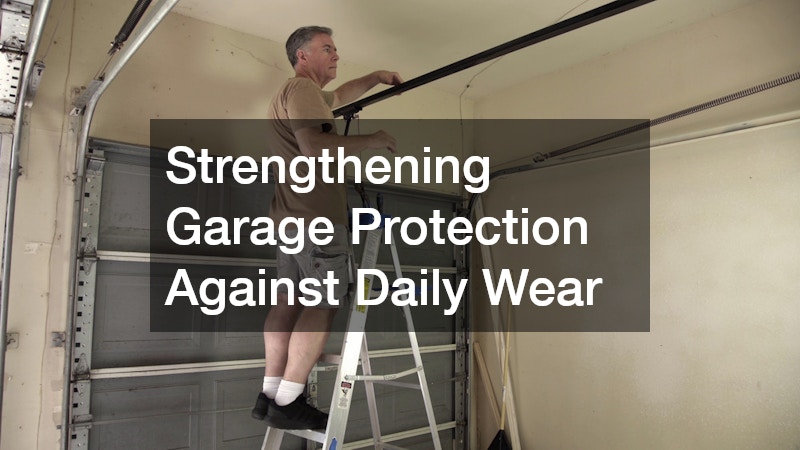
Garages experience heavy daily use, yet homeowners often overlook them until something stops functioning properly. Garage doors, in particular, operate under constant tension and mechanical stress.
When a garage door begins moving unevenly or making loud grinding sounds, many people delay repairs because the door still technically works. Unfortunately, minor mechanical issues frequently become larger failures without warning.
Lubricating moving parts several times per year helps reduce wear on rollers, hinges, and tracks. This small maintenance habit can noticeably extend system lifespan.
Weather stripping also deserves attention. Worn seals around garage doors allow moisture, dirt, insects, and outdoor air into the space. In attached garages, these leaks may even affect indoor temperature regulation.
Homeowners sometimes discover water damage along garage walls after years of unnoticed moisture intrusion around poorly sealed doors.
Certain warning signs suggest professional garage door repairs may be necessary:
- Jerky or uneven movement
- Delayed opening response
- Excessive vibration
- Loud screeching noises
- Sagging door sections
Ignoring these symptoms increases the risk of complete mechanical failure, which may create safety hazards in addition to higher replacement costs.
A garage door is one of the largest moving systems in most homes. Maintaining it consistently prevents both inconvenience and expensive emergency repairs.
Managing Indoor Moisture Before Hidden Damage Spreads
Some of the most expensive household damage develops quietly behind walls, beneath flooring, or inside ceilings where homeowners rarely look.
Moisture problems often begin with something subtle: peeling paint near a window, a persistent musty odor, or slight discoloration on drywall. Because these signs appear gradually, they are easy to dismiss.
Unfortunately, hidden moisture rarely improves on its own.
Bathrooms, laundry rooms, kitchens, and basements are especially vulnerable to excess humidity and leaks. Even small amounts of trapped moisture can eventually damage wood framing, insulation, and flooring materials.
One practical preventative step is improving ventilation in high-humidity areas. Exhaust fans should vent outdoors properly rather than into attics or crawl spaces where moisture becomes trapped.
Caulking around tubs, sinks, windows, and doors also deteriorates over time. Replacing cracked or separated sealant helps block water intrusion before it reaches vulnerable materials behind surfaces.
Some homeowners only recognize the seriousness of a leak after noticing warped flooring or visible mold growth. At that stage, restoration costs rise quickly because moisture has already spread into structural materials.
When leaks or flooding occur, quick action matters tremendously. Drying wet areas immediately reduces the likelihood of mold growth and structural damage. Fans, dehumidifiers, and proper airflow can make a major difference during the first 24 hours.
Still, certain situations require professional water damage repairs, especially when moisture affects insulation, subflooring, or hidden wall cavities.
The biggest lesson for homeowners is that moisture problems reward fast responses. Small preventative upgrades and regular inspections are far less expensive than large-scale restoration projects.
Protecting a home from expensive repairs rarely depends on a single renovation. Instead, it comes from consistent attention to small problems before they become major ones.
Over time, these practical improvements preserve not only the condition of the home but also its long-term value. Small investments made consistently tend to protect homeowners from the financial shock of large-scale repairs later on.